

What Actually Matters in a Shaft
Marketing names change every season; the variables that decide fit don't. There are five of them.
Flex
How much the shaft bends under load. Set by your swing speed and tempo. Too soft and the face is unpredictable; too stiff and you lose launch and feel.
Weight
Measured in grams. Heavier tightens dispersion for faster swings; lighter helps slower swingers create speed and launch.
Launch & Spin
How high the ball climbs and how much it spins. The bend profile nudges both up or down so you carry the right distance with a flight you can hold.
Torque
Resistance to twisting, in degrees. Lower feels firm and stable for strong swingers; higher feels smooth and helps square the face.
Material
Steel or graphite. Drives feel, weight, and vibration. Drivers and woods are graphite; irons are where the real decision happens.
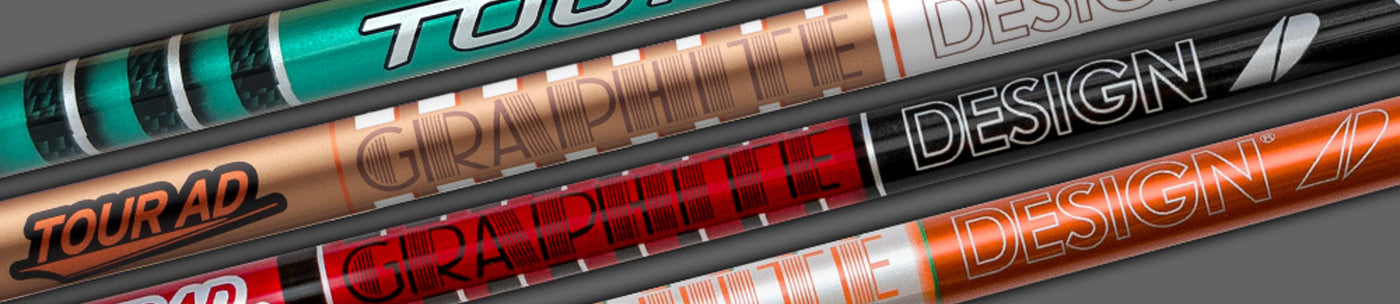
Ladies (L)
Senior (A)
Regular (R)
Stiff (S)
X-Stiff (X)
Flex isn't standardized between brands — one company's stiff can play like another's extra-stiff. Treat these as a starting point and let tempo fine-tune the call: a smooth swinger at 95 mph may prefer regular, a quick-transition swinger at the same speed may prefer stiff.
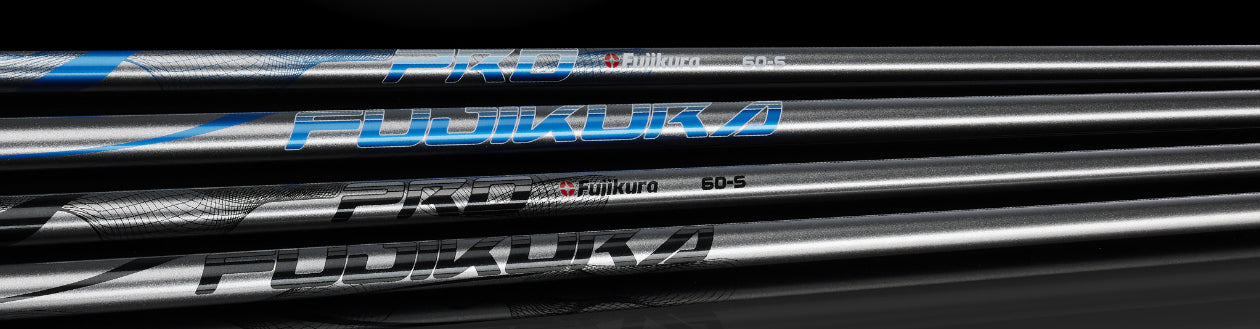
Tempo shifts these too. A smooth 95-mph swinger might want the 55–60 g end; a quick-transition 95-mph swinger might want 65–70 g for control.
Go Lower-Launch, Lower-Spin
You already deliver plenty of height. A low-launch, low-spin profile cuts the ballooning flight, holds the ball into wind, and adds roll out.
Go Higher-Launch
Flat shots that don't carry need air. A higher-launch profile gets the ball up and holds more carry — a common need for moderate swing speeds.
Most brand families are built around a specific launch and spin identity — that's what the brand guides below sort out, model by model.
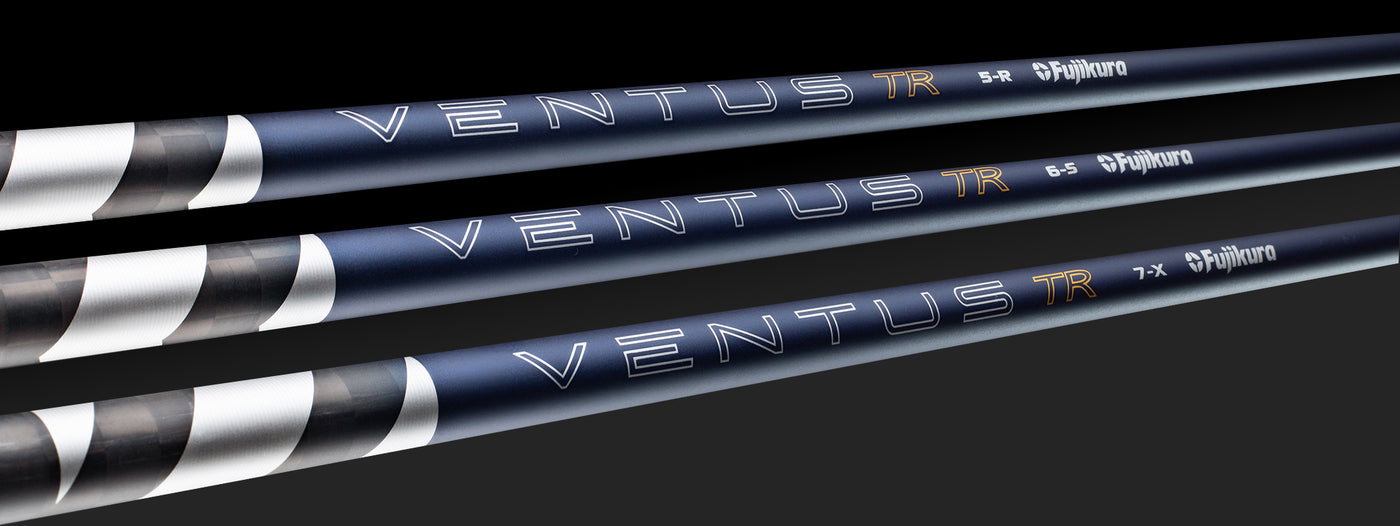
Low Torque
Firm and stable. Helps faster swingers keep the face from twisting at speed, which tightens accuracy. Can feel stout if it's a poor fit.
High Torque
Smoother and more active. Helps the clubface square up at impact — a benefit for smoother tempos and slower swing speeds.
One catch: torque tracks with weight. Lighter shafts naturally carry higher torque, so a featherweight senior shaft twists more than a heavy tour shaft by design. Don't chase the lowest number — match it to your speed and the feel you want.
The Moderate Swinger
- Carry around 150–200 yards
- Wants more height and carry
- Smooth or unhurried tempo
The Recreational Mid-Speed Player
- Carry around 200–240 yards
- Distance without losing control
- Neutral tempo — the most common profile
The Strong, Faster Player
- Carry around 240–265 yards
- Wants tighter dispersion and control
- Quicker, stronger transition
The Tour-Speed Swinger
- Carry 265+ yards
- Over-spins or loses shape with soft shafts
- Aggressive tempo through impact
Still Between Two Options?
When you're stuck between flexes or weights, default toward the one that matches your tempo, not just your speed. A hard, quick transition loads the shaft more than the radar suggests — size up. A smooth, gradual transition does the opposite. And if you're truly on the line, the quiz below settles it faster than guessing.
Take the Shaft Quiz
Skip the tools
No heat gun, epoxy, or club builder needed — the adapter tip and grip are installed and the shaft is cut to length before it ships.
Match your head
Pick the OEM adapter option that fits your driver or wood — TaylorMade, Callaway, Titleist, PING, Cobra, or Mizuno — and it's built to that spec.
Set your length
Give us your playing length and it's cut to that spec before your grip goes on, instead of a generic off-the-rack length.
Know your flex and weight
Once you've settled on a flex, weight, and profile — the quiz above can help — order it assembled and it arrives ready to play.
Buying it assembled bundles your shaft, adapter tip, and grip into one build, so the finished club drops straight into your head with no heat gun, epoxy, or club builder needed. Want to confirm your length before you order? See how to measure final driver playing length.
Build It Ready to Play
Assembled shafts with your choice of OEM adapter tip — compatible with TaylorMade, Callaway, Titleist, PING, Cobra, and Mizuno — cut to length with the grip you want, shipped ready to install.
Shop Assembled Shafts with Adapter TipTake the Shaft Finder Quiz
Answer a few questions about your swing speed, ball flight, and goals, and we'll point you to the flex, weight, and profile that fit. About a minute.
Shaft Guides by Brand
Know the flex, weight, and profile you're after? The brand guides break down each lineup model by model — what every series does and who it's for.


Browse the Lineup
Golf Shaft FAQ
What is the difference between regular, stiff, and extra-stiff flex?
What is the difference between regular, stiff, and extra-stiff flex?
Flex describes how much the shaft bends during the swing, and it's set mainly by your swing speed and tempo. Regular flex suits most recreational golfers, roughly 75 to 95 mph driver speed or 180 to 220 yards of carry. Stiff flex fits faster, stronger ball strikers around 95 to 110 mph, carrying 220 to 260 yards, and delivers more control with a lower launch. Extra-stiff is for tour-speed swings over 110 mph with aggressive transitions. Flex is not standardized between brands, so one company's stiff can play like another's extra-stiff — treat these ranges as a starting point and let tempo fine-tune the choice.
How do I choose a shaft if I don't know my swing speed?
How do I choose a shaft if I don't know my swing speed?
Use carry distance instead, since most golfers know roughly how far they hit their driver. As a general guide, a driver carry around 150 to 180 yards lines up with senior flex, 180 to 220 with regular, 220 to 260 with stiff, and 260-plus with extra-stiff. From there, factor in tempo: a quick, aggressive transition loads the shaft more, so size up in flex or weight, while a smooth tempo does the opposite. If you want a more precise starting point, our Shaft Finder Quiz walks you through it in about a minute.
Does shaft weight or flex matter more for distance and control?
Does shaft weight or flex matter more for distance and control?
They do different jobs, so both matter, but weight is often the bigger lever for feel and dispersion. Lighter shafts, in the 40 to 55 gram range, help slower swingers create speed and launch the ball higher. Heavier shafts, 60 to 70-plus grams, feel more stable and tighten dispersion for players with faster or more aggressive tempos. The 60-gram range is the most popular driver weight because it balances both. Set flex by your speed and tempo first, then use weight to fine-tune how stable the club feels through impact.
How do the major shaft brands compare?
How do the major shaft brands compare?
Each brand builds around a different identity. Fujikura, Mitsubishi, Project X, UST Mamiya, and Graphite Design lead on the driver and wood side, each with families spanning low-spin tour profiles to higher-launching lightweight options. For steel iron shafts, True Temper, KBS, and Nippon are the main names — True Temper's Dynamic Gold is the long-standing tour standard, KBS is known for a smooth-but-stable feel, and Nippon specializes in lighter steel that's easier to launch. Rather than crown one winner, match the brand's launch and spin identity to what your swing needs. The brand guides above break down each lineup model by model.
Can I buy a golf shaft assembled and ready to play?
Can I buy a golf shaft assembled and ready to play?
Yes. Grips4Less builds assembled driver and wood shafts with the correct OEM adapter tip for TaylorMade, Callaway, Titleist, PING, Cobra, and Mizuno heads, cut to your length with the grip you choose. The shaft arrives ready to drop into your club head with no heat gun, epoxy, or club builder required. You can browse the full selection on the assembled shafts with adapter tip collection, and if you want to confirm your playing length first, see our guide on measuring final driver playing length.
Ready to Find Your Shaft?
Know your flex and weight? Jump straight to the lineup. Still deciding? Start with the brand guides or take the quiz — Grips4Less is an authorized dealer building custom and assembled shafts to your spec.
Featured collection
View all-
 $25 Gift Card Offer
(Assembled) Fujikura 2026 Ventus TR Blue VeloCore+ Driver Shaft with Adapter Tip + Grip
$350.00 USDUnit price / -
 $25 Gift Card OfferUp to 4% off
(Assembled) Mitsubishi Diamana BB Driver Shaft with Adapter Tip + Grip
$360.00 USD$374.95Unit price / -
$25 Gift Card OfferUp to 4% off
(Assembled) Graphite Design Tour AD VF Driver Shaft with Adapter Tip + Grip
$379.00 USD$394.95Unit price / -

 $25 Gift Card Offer
(Assembled) Fujikura 2026 Ventus TR Red VeloCore+ Driver Shaft with Adapter Tip + Grip
$350.00 USDUnit price / -
$25 Gift Card OfferUp to 4% off
(Assembled) Fujikura Ventus Black VeloCore+ Driver Shaft with Adapter Tip + Grip
$350.00 USD$364.95Unit price / -
$25 Gift Card OfferUp to 4% off
(Assembled) Fujikura Ventus Red VeloCore+ Driver Shaft with Adapter Tip + Grip
$350.00 USD$364.95Unit price / -
$25 Gift Card OfferUp to 13% off
(Assembled) Project X Denali G2 Frost Red Driver Shaft with Adapter Tip + Grip
$225.00 USD$260.00Unit price / -
$25 Gift Card OfferUp to 8% off
(Assembled) Mitsubishi Kai'li Dark Waves Red Driver Shaft with Adapter Tip + Grip
$229.00 USD$250.00Unit price /Very low stock (3 units)


