
If Your Golf Grips Never Feel Quite Right, Here’s Why
A lot of golfers play grips that technically “work,” but still do not feel right in the hands. The grip may feel too firm, too thin, too slick, too awkward, or just uncomfortable enough that the club never feels fully natural. Most golfers do not describe that as a fitting issue at first. They just say the club feels a little off.
From what we see, that kind of discomfort matters more than people think. If a grip never feels comfortable, the golfer usually ends up adding more grip pressure, more tension, or more hand involvement than they really want. And once that starts happening, the club rarely feels as easy to control as it should.
This article breaks down what uncomfortable grips usually mean, why golfers run into this problem, and what to pay attention to before changing grip size, feel, or texture.
Posted by Grips4Less on April 7th, 2026
If a Grip Feels Wrong, It Usually Starts in the Hands
Most golfers do not need a launch monitor to know when a grip feels wrong. They feel it immediately in their hands.
Sometimes the grip feels too firm and a little harsh. Sometimes it feels too thin, like the club never really settles into the hands. Sometimes it feels too slick, especially when the weather changes or the round goes on. And sometimes the grip does not feel obviously bad in one specific way — it just never feels comfortable enough to stop thinking about it.
That is usually the first clue. A good grip should help the club feel more natural, not more distracting. If you notice the grip before you even start thinking about the swing, there is a good chance something about the size, texture, taper, or overall feel is not matching what your hands actually want.
Quick takeaway:
A grip does not have to feel terrible to be the wrong fit. If it constantly feels off, that usually matters.
What Golfers Usually Mean When They Say a Grip Feels Uncomfortable
“Uncomfortable” sounds vague, but from our point of view, golfers usually mean one of a few very specific things.
For some golfers, uncomfortable means the grip feels too thin, so they never feel fully secure unless they squeeze harder than they want to. For others, it means the grip feels too firm or too harsh, especially on full swings or over a long round. Some golfers use “uncomfortable” when the grip feels too tapered, especially in the lower hand, and the club never quite feels settled. Others feel discomfort because the grip texture is too slick or just does not inspire confidence.
That is why this issue is easy to overlook. The golfer may think the problem is their hands, their swing, or just personal preference. But from what we see, uncomfortable grips often point to a fit issue that can be improved.
What this usually tells us:
When a golfer says a grip feels uncomfortable, they are usually telling us the club does not feel as secure, relaxed, or natural in the hands as it should.
The Real Problem Usually Isn’t Comfort Alone
This is where a lot of golfers miss the bigger point.
A grip that feels uncomfortable usually does more than just annoy the golfer. It often changes how the golfer holds the club. If the grip feels too thin or too slick, the player usually adds more grip pressure. If it feels too firm or awkward, the hands can get more tense. If the grip shape never feels settled, the golfer may keep adjusting their hands at address or feel less confident through impact.
That is why this is not just a “comfort” issue. It is often a control issue too. The more a golfer has to think about holding onto the club, the less natural the swing usually feels. From our point of view, that is where grip fit starts to matter much more than golfers expect.
A grip should make the club feel easier to hold and easier to trust. If it does the opposite, it usually deserves a closer look.

What Usually Makes a Grip Feel Uncomfortable
There are a few common reasons grips feel uncomfortable, and most of them have nothing to do with the golfer “just being picky.”
The grip may be too small
When the grip is too small, a lot of golfers feel like they have to squeeze more than they want to. The club can feel less secure, and the hands can start feeling too active during the swing.
The grip may be too firm
Some golfers like a firmer grip. Others do not. If the grip feels too hard or harsh in the hands, especially over repeated swings, the club can start feeling less enjoyable and less natural to swing.
The grip may be too tapered
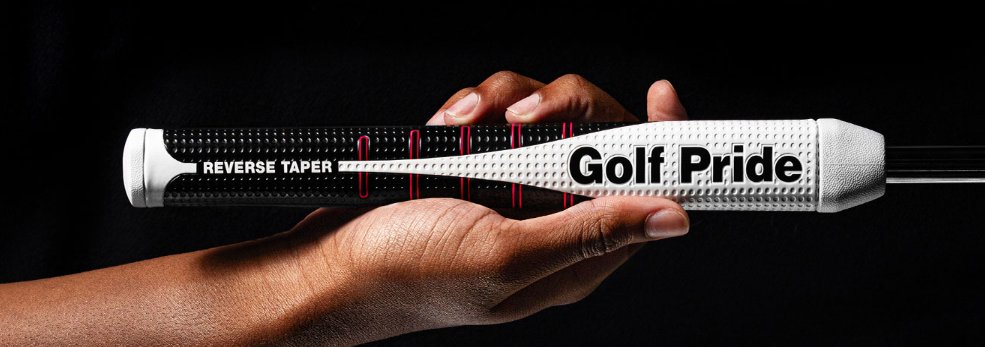
A grip with too much taper can make the lower hand feel less supported. That is one of the reasons some golfers end up liking Plus4 or reduced-taper style grips without realizing that taper was part of the original problem.
The grip may be too slick
If the surface does not give the golfer enough confidence, especially in heat or humidity, discomfort can show up as extra hand tension instead of obvious slipping.
The grip may just not match the golfer’s preference
This one matters too. From what we see, some golfers simply play better when the grip feels softer, more secure, or a little fuller in the hands. That is not being difficult. That is real fit preference.
If you want the bigger picture on grip size, feel, and how to choose the right grip, our golf grip guide breaks that down in more detail.

How Uncomfortable Grips Usually Show Up in Real Play
This is usually where golfers start connecting the dots.
An uncomfortable grip often shows up as:
- extra grip pressure
- more hand tension
- a club that feels less secure than it should
- hands that get tired faster
- a swing that feels a little more manipulated and a little less free
Some golfers notice it most on the first tee because the club never feels settled in the hands. Others notice it later in the round when the grip starts feeling more annoying than supportive. Some only notice it when conditions get warm, damp, or tense and the club starts feeling harder to trust.
From what we see, this is why grip discomfort matters so much. It usually does not stay isolated to the hands. It changes the whole feeling of the club.
Quick takeaway:
If the grip makes you think about your hands too much, it is probably doing more harm than you realize.
What Usually Helps
What usually helps is not blindly jumping to the thickest, softest, or tackiest grip on the market. The better answer is usually figuring out what kind of discomfort the golfer is really dealing with.
If the grip feels too thin, the answer may be a little more size. If it feels too firm, the answer may be a softer-feeling material or texture. If the lower hand never feels supported, the answer may be less taper. If the grip feels too slick, the answer may be a texture or traction change more than a size change.
From our point of view, the best grip changes happen when the golfer stops asking, “What grip is most popular?” and starts asking, “What would make this club feel better in my hands?” That is a much smarter question. A better-fit grip should make the club feel more natural, more secure, and easier to hold without extra effort.
That is why grip fit is often about narrowing the feel direction first. Once that becomes clearer, the right model or style usually gets easier to spot.
What To Pay Attention To Before You Change Grips
Before changing anything, it helps to be honest about what the discomfort actually feels like.
Ask yourself:
- Does the grip feel too thin?
- Does it feel too firm or harsh?
- Does it feel too slick when you swing?
- Does the lower hand feel less supported than it should?
- Do you feel like you have to hold on tighter than you want to?
Those questions usually tell you more than just asking whether you “like” the grip or not. They help you narrow whether the real issue is size, texture, taper, or overall feel.
That is also why a broader page like our golf grip guide can help. If you are still trying to figure out whether the issue is grip size, grip texture, or how the grip feels through the swing, it gives you a clearer starting point before you start swapping grips randomly.
What To Do Next
If your golf grips feel uncomfortable, the next step is not ordering a random replacement and hoping it feels better. The smarter move is figuring out what kind of discomfort you are actually dealing with first.
If you want to understand the bigger picture behind grip size, texture, feel, and taper, read our golf grip guide. If you already know you are ready to compare options, browse our golf grip collections and start looking at grips that feel more natural, more secure, and more comfortable in your hands.
The goal is not just to find a different grip. The goal is to move into a setup that gives you less tension, more confidence, and a better sense of control from address through impact.
Explore the Grip Guides That Help Narrow the Right Fit
If your current grips never feel quite right, the next step is usually understanding what kind of size, feel, or brand style may fit you better. These guides can help you narrow that down:
Frequently Asked Questions
How do I know if I need a different golf grip instead of just replacing my old one?
How do I know if I need a different golf grip instead of just replacing my old one?
If your current grips never feel fully secure, comfortable, or natural in your hands, it may be more than a wear issue. In that case, the question is not just whether the grip is old. The real question is whether the grip’s size, texture, firmness, or shape is actually a good fit for you. Replacing a grip with the same wrong style usually does not solve the real problem.
Why do my golf grips feel uncomfortable even when they look fine?
Why do my golf grips feel uncomfortable even when they look fine?
A golf grip can still feel uncomfortable even if it is not visibly worn out. In a lot of cases, the issue is not whether the grip is damaged — it is whether the size, firmness, texture, or overall feel matches the golfer’s hands and swing. A grip that looks fine can still create too much tension, feel too thin, or never feel fully secure during the swing.
Can the wrong golf grip size make the club feel uncomfortable?
Can the wrong golf grip size make the club feel uncomfortable?
Yes. If the grip size is not a good fit, the club can feel less natural in the hands. A grip that feels too small often leads to extra grip pressure and a less secure feel. A grip that feels too large can make the club feel less responsive or harder to release naturally. That is why grip size plays such a big role in both comfort and control.
Why do my golf grips feel too thin in my hands?
Why do my golf grips feel too thin in my hands?
When a golf grip feels too thin, the golfer usually feels like they need to hold on tighter than they want to. That often creates more hand tension and can make the club feel less stable or less comfortable through the swing. In many cases, a grip that feels too thin is really a sign that the golfer needs more support or a fuller-feeling grip size.
Can uncomfortable golf grips affect grip pressure and control?
Can uncomfortable golf grips affect grip pressure and control?
Yes. One of the most common things uncomfortable grips do is force the golfer to use more grip pressure than necessary. Once that happens, the hands and forearms often get more tense, and the club usually feels less natural to swing. That is one of the reasons uncomfortable grips can quietly affect both comfort and control.