
Why Your Driver Shaft Feels Too Heavy and What It Means
A driver shaft that feels too heavy usually does not feel “bad” in an obvious way at first. In fact, a lot of golfers initially think a heavier shaft should be a good thing. It can sound more stable, more serious, and more controlled. But when the weight is wrong for the golfer, the club starts to feel harder to swing well, harder to repeat, and harder to trust over time.
From what we see, golfers rarely describe this by saying, “my shaft weight is wrong.” What they usually say is something more human: the club feels like a lot of work, the timing starts to drift, or the driver just does not feel as easy to swing as it should.
This page is here to help golfers understand what that usually means, why it happens, and why a custom shaft change can fix this.
Want to Find Which Shaft Best Suits You? Check out our Shaft Finder Quiz
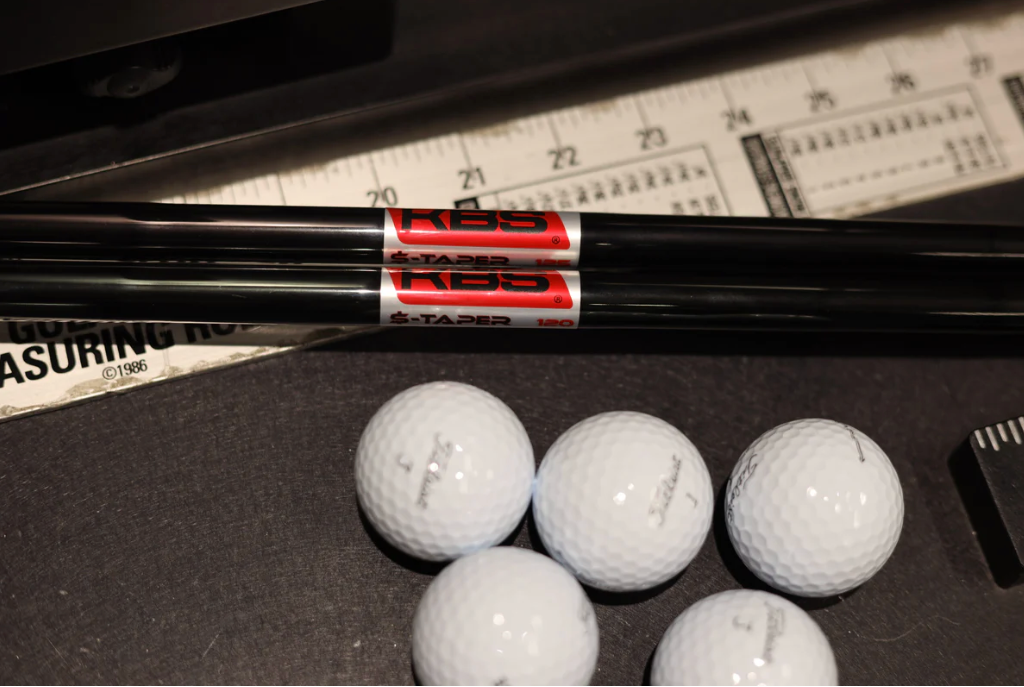
Posted by Grips4Less on April 7, 2026
When a Driver Feels Heavy, Golfers Usually Notice It in the Swing First
When golfers say a driver shaft feels too heavy, they usually are not talking about the actual gram number. They are talking about what the club feels like during the swing.
Sometimes it means the driver feels harder to get moving. Sometimes it means the club feels fine for a few swings, but starts feeling more tiring over time. Sometimes it means the golfer cannot quite stay on time, especially when they try to make a more aggressive swing. And sometimes it simply means the driver never feels as easy, athletic, or repeatable as it should.
From a distributor’s point of view, this matters because a “too heavy” shaft usually is not just a raw weight issue. It is usually a sign that the overall build may not match the golfer’s tempo, strength, or preferred feel. A good-fit driver should feel like it supports your swing. It should not feel like something you have to organize your whole motion around.
Quick takeaway:
If the first thing you notice is how much effort the driver takes to swing well, shaft weight may be part of the problem.

The Most Common Signs Your Driver Shaft Feels Too Heavy
The signs are usually not complicated once you know what to watch for.
- The driver feels harder to accelerate
- Your timing starts to feel late or inconsistent
- The club feels more tiring than supportive
- The shaft feels more dead than stable
- You feel like you have to work harder than you should just to make a normal swing
A lot of golfers in this spot say things like:
- “It just feels like a lot of club”
- “I can hit it, but I have to work for it”
- “It feels solid, but not easy”
- “It wears me down if I keep swinging it”
From what we see, those are not random comments. They are real fit clues. A driver should feel like something you can swing with confidence, not something that slowly pulls you out of rhythm.
Why It Happens
One of the biggest mistakes golfers make is assuming that a heavier shaft must automatically mean more control. Sometimes it does. But that only helps when the golfer can still move the club naturally.
A driver shaft can feel too heavy when the player does not naturally load heavier builds well, when the extra weight slows the swing down too much, or when the club starts to feel more demanding than supportive. In some cases, the golfer likes the idea of a heavier shaft more than the reality of swinging it. In other cases, the shaft itself may not be dramatically too heavy, but the overall build still feels too much for the player’s tempo and timing.
From what we see, golfers often confuse heavier with better because heavier can sound more “serious.” But stability only helps if the golfer can still swing the club with freedom and confidence. If the extra weight starts to cost speed, rhythm, or timing, then the heavier setup may be solving one problem while creating another.
If you want a broader breakdown of how weight, tempo, flex, and ball flight all work together, our custom golf shaft guide goes deeper into the bigger fitting picture.
What Too Much Shaft Weight Usually Does to Performance
A driver shaft that feels too heavy often changes performance in ways golfers do not immediately connect back to weight.
First, it can make the club feel less athletic. The golfer may still hit some good shots, but the driver no longer feels like something they can swing freely. It starts feeling like something they have to manage.
Second, it can affect timing. Some golfers begin to feel late through impact. Others rush from the top because they subconsciously know the club feels demanding. Either way, the swing stops feeling natural.
Third, it can affect distance and consistency. Sometimes the golfer loses a little speed. Sometimes the strike pattern drifts. Sometimes the club does not feel explosive even when contact is decent. The issue is not always dramatic, but it often shows up as the driver feeling less repeatable over time.
That is why this problem is so easy to miss. A shaft that feels too heavy does not always fail loudly. Sometimes it just makes everything a little harder:
- harder to swing freely
- harder to stay on time
- harder to repeat
- harder to trust when you really want to go after one

Who Usually Runs Into This Problem
This is not just a “slow swing speed” issue.
Golfers who often run into a too-heavy driver shaft are usually players who:
- have a smoother tempo
- like the club to feel more playable
- lose rhythm when the club feels too demanding
- thought heavier would equal more control, but ended up feeling less natural
- start a round fine, then feel the driver getting harder to swing well as they go
This can absolutely happen to good players too. It is not a skill problem. It is a fit problem. A golfer can have enough strength to move the club and still dislike what that extra weight does to their rhythm, timing, or confidence.
From our point of view, this is one of the easiest mistakes to understand. Golfers often want a shaft that sounds more stable, but what they really need is a shaft that keeps the swing more natural.
What Usually Helps
What usually helps is not jumping straight to the lightest shaft you can find. The better answer is usually finding a shaft direction that gives the golfer a better balance of speed, timing, and control.
For some golfers, that does mean moving a little lighter. For others, it means moving into a more playable weight range that still feels stable without feeling demanding. The right answer is usually the one that makes the driver feel easier to swing naturally, easier to keep on time, and easier to repeat when the golfer is not trying to force anything.
From what we see, the best shaft changes happen when the golfer stops asking, “What sounds stronger?” and starts asking, “What lets me swing the club better?” A driver should not feel like something you have to wrestle into position. It should feel like it wants to move with your natural rhythm, not against it.
That is also why pages like this are only one part of the conversation. If you are trying to understand how shaft weight, feel, tempo, and ball flight all interact, the broader shaft guide helps fill in the bigger picture before you make a final decision.
What To Pay Attention To Before You Change Shafts
Before changing anything, it helps to slow down and be honest about what the club is actually doing.
Ask yourself:
- Does the driver feel hard to accelerate?
- Do I lose timing when I try to swing harder?
- Does the club feel more tiring than helpful over a full round?
- Am I chasing “control” on paper, but getting a club that feels harder to use?
- Do my best swings still feel like they take too much effort?
If those answers sound familiar, there is a good chance the current build is asking too much from your swing. That does not automatically mean you need the lightest shaft possible. It means the next shaft should probably feel more natural, more playable, and more in sync with how you actually move the club.
That is where a guided next step helps. If you want a starting point without randomly guessing, the shaft finder quiz is a good way to narrow the fit direction based on how the club really feels in your hands now.
What To Do Next
If this sounds like your driver, the next step is not guessing a random lighter shaft and hoping the problem disappears. The better move is to narrow the right shaft direction first.
If you want a more guided starting point, use our Shaft Finder Quiz to narrow the fit direction based on your swing, ball flight, and feel preferences. If you already know you are ready to compare options, browse our custom shaft options and start looking at builds that feel more playable, more natural, and easier to trust.
The goal is not just to get into a different shaft. The goal is to move into a setup that gives you better timing, more natural speed, and more confidence in the way the driver feels from start to finish.
Common Questions About a Driver Shaft Feeling Too Heavy
Can a driver shaft be too heavy even if I’m a decent player?
Can a driver shaft be too heavy even if I’m a decent player?
Yes. A golfer can still be a strong or experienced player and dislike a shaft because the weight makes the club feel harder to time, harder to accelerate, or more tiring than it should be.
Does a heavier shaft always mean more control?
Does a heavier shaft always mean more control?
No. Heavier can sometimes improve control, but only if the golfer can still swing the club naturally. If the weight starts to hurt rhythm or timing, the control benefit usually disappears.
Can a shaft that feels too heavy cost distance?
Can a shaft that feels too heavy cost distance?
Yes. If the extra weight slows the swing down or makes it harder to center the strike, distance can drop.
What’s the difference between a shaft feeling too heavy and too stiff?
What’s the difference between a shaft feeling too heavy and too stiff?
A shaft that feels too heavy usually feels harder to move or more tiring. A shaft that feels too stiff usually feels harsher, boardier, or harder to load. Sometimes golfers confuse the two because both can make the club feel demanding.
Should I use a shaft selector if my driver feels too heavy?
Should I use a shaft selector if my driver feels too heavy?
Yes. Just answer based on what the club really feels like now, not what you think you should be able to handle.